Niko Kovač Calls for Probe Following Tottenham Supporters’ ‘Extra-Minute’ Chant in Dortmund’s 2–0 Loss
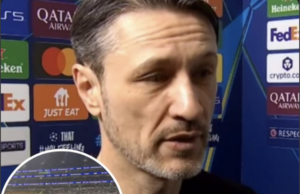
Borussia Dortmund head coach Niko Kovač has urged football authorities to investigate a controversial chant from Tottenham supporters during his team’s 2–0 defeat in North London, an incident that added tension to an already difficult evening for the German side.
Dortmund traveled hoping to revive their European campaign but returned home with a damaging loss and lingering frustration. Tottenham’s goals in each half secured the win, yet the spotlight shifted late in the game to a chant referencing “extra minutes” — something Kovač considered beyond standard fan rivalry. Captured clearly by TV microphones, the chant appeared to allude to past refereeing controversies involving Dortmund, a sensitive subject for the club.
The reaction on the Dortmund side was immediate. Players glanced toward the stands as the chant grew louder, and the bench reacted angrily, prompting stewards to move closer as tensions escalated.
On the field, Tottenham’s high pressing unsettled Dortmund from the start, with the first goal coming early and a second later confirming control. As frustration mounted, Dortmund’s play became increasingly disrupted, with late challenges and confrontations breaking the flow of the game.
While acknowledging Tottenham’s quality and energy, Kovač emphasised that respect should remain at the heart of football. “Rivalry and noise are part of the sport,” he said, “but chants aimed at provoking or touching on sensitive issues require accountability.” Dortmund plans to submit an official report to UEFA under crowd conduct regulations. Kovač stopped short of demanding sanctions but insisted that the matter should be reviewed to prevent future incidents.
Tottenham, in contrast, focused on the performance itself. Their manager praised the team’s tactical discipline, defensive organisation, and clinical finishing, declining to comment on the crowd’s behaviour, noting it was not his responsibility.
The online reaction has been mixed. Dortmund fans largely backed Kovač, calling the chant inappropriate, while many Spurs supporters dismissed it as typical match-day banter. Analysts and former players were similarly divided, some defending fan expression, others cautioning that normalising provocative chants could undermine football standards.
For Dortmund, the defeat complicates their European ambitions, but Kovač insists that addressing off-field matters is as important as improving on-field performance. “Everyone has a role in moving football forward — players, coaches, officials, and supporters,” he said. “Ignoring issues benefits no one.”
As UEFA reviews the report and online debate continues, a match defined by goals risks being remembered for a chant that could have consequences beyond the final score.