“I Had a Nightmare Against Liverpool — Sir Alex Ordered Me to Sell My Dog, Car and House”
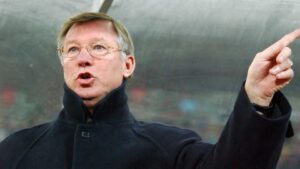
When Sir Alex Ferguson ruled at Manchester United, his word was law. Anything the Scot said was taken as absolute truth, such was the authority and respect he commanded between 1986 and 2013. That reverence is why many of his former players still refer to him simply as “the boss” years after his retirement — and it also helps explain some of his most extreme demands.
Ferguson was infamous for his fearsome “hairdryer treatment” when standards slipped. One player who experienced this firsthand was Lee Sharpe, whose United career was disrupted by injuries and inconsistent form. The former winger — who later played for clubs including Sampdoria and Grindavík — may not have reached the heights of some of his celebrated teammates, but he remains a cult favourite among sections of the Old Trafford crowd.
Sharpe, however, often found himself on the wrong side of Ferguson’s wrath. After a poor performance against Liverpool, he was astonishingly told to sell his house, car and even his dog — a tale that perfectly captured the uncompromising nature of Ferguson’s trophy-laden reign.
Speaking on the Sacked in the Morning podcast, Sharpe revealed that the fallout from that Liverpool game was so severe he was forced to move out of his home and live in club accommodation, separating him from his girlfriend at the time — someone he had planned to marry.
“He ran the club from top to bottom,” Sharpe explained. He had previously been given permission to live with his girlfriend at just 18, but Ferguson made it clear that any dip in form would send him back into digs. After struggling badly at Anfield — where a tactical switch left Sharpe and Ryan Giggs confused and exposed — Ferguson let them know exactly what he thought at half-time.
Things escalated further after the match. Ferguson reportedly ordered Sharpe to get rid of his possessions, send his girlfriend away, and return to club housing. Sharpe admitted he complied immediately, even ending the relationship on the spot. To make matters worse, Ferguson would regularly ask him in training if he was married yet — a reminder of the punishment he had enforced.
Despite being one of football’s poster boys of the early 1990s, Sharpe later suggested Ferguson never truly warmed to him. He recalled awkward encounters years later where the legendary manager either barely acknowledged him or ignored him entirely, although Sharpe insisted they parted on good terms when he left for Leeds United in a £4.5 million move.
Sharpe later described Ferguson as a “bully” in his 2005 autobiography My Idea of Fun, and he believes those comments caused a lasting rift between them.
Ironically, Ferguson was known to prefer players with settled family lives, believing stability off the pitch led to focus and success on it. Despite their rocky relationship, Sharpe eventually earned Ferguson’s trust, making 261 appearances for United, scoring 36 goals and providing 30 assists. During his eight years at the club, he won 10 major trophies, including three Premier League titles, and was named PFA Young Player of the Year in 1990/91 at just 19.
Sharpe left United in 1996 and went on to have spells at several other clubs before retiring in 2004. While his career never quite reached the heights once expected — partly due to emerging alongside the generational talent of Ryan Giggs — he remains fondly remembered as an exciting, flair-filled terrace hero at Old Trafford.